How to Hire Event Entertainment Without Insulting Your Audience (or Your Brand)
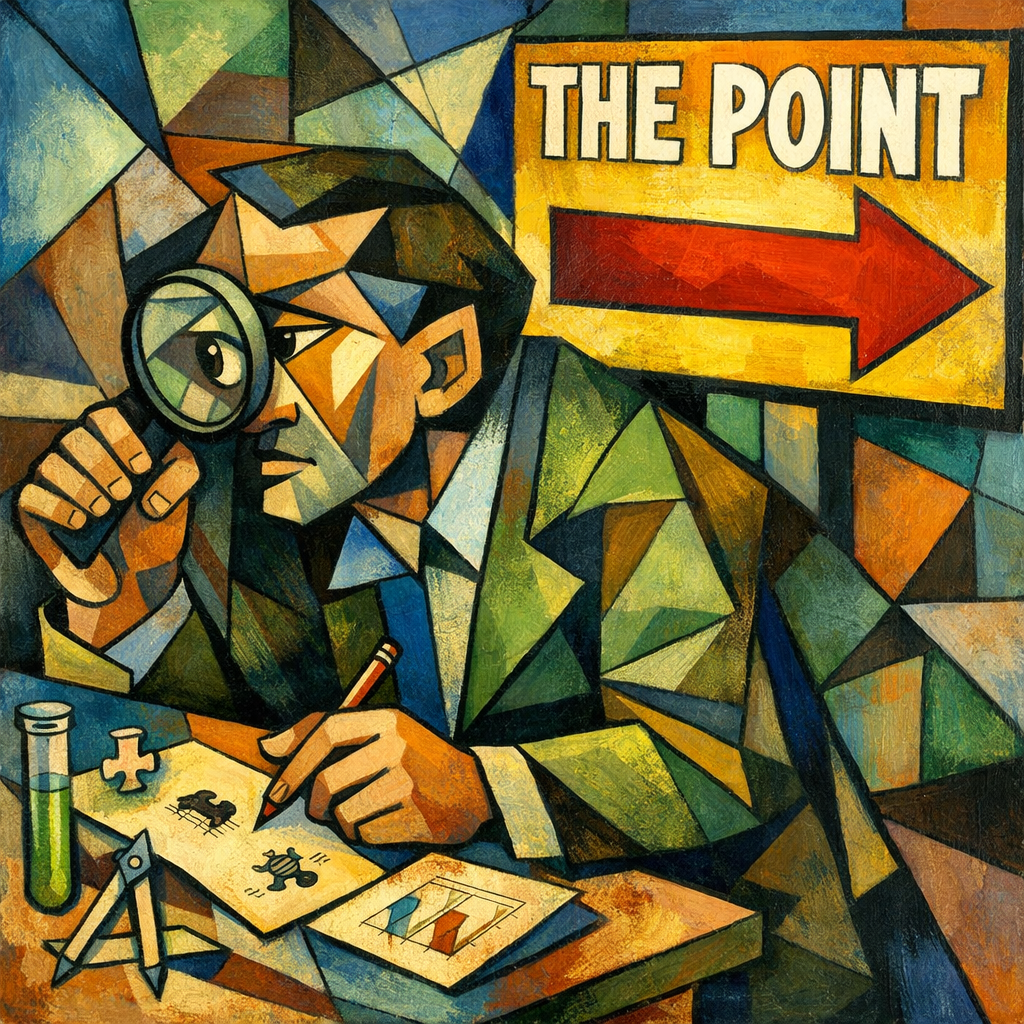
Planning an event—whether a family milestone, leadership summit, executive retreat, or corporate celebration—usually begins with logistics: date, venue, catering, budget.
That’s understandable.
It’s also where many otherwise thoughtful hosts quietly go wrong.
Because long after the food is cleared and the décor is forgotten, your guests will remember one thing with surprising clarity:
What was the point of this event—and did the experience actually deliver it?
Strong leaders instinctively begin with the point before worrying about mechanics. They decide what should be felt, remembered, or understood—and only then concern themselves with how it’s executed.
Entertainment is no different.
It is often treated as a decorative add-on or a technical decision (“band or DJ?”). In reality, it is the most decisive element of the experience—and the one most likely to signal judgment.
This guide is written for hosts who care about outcomes, not just optics. The scale of the event may vary, but the underlying judgment call is the same.
Start With the Point—Then Build the Mechanics Around It
It may feel counterintuitive, but the most effective events are designed backward.
Before choosing a venue, a menu, or a seating chart, ask a simpler and more demanding question:
What is the one moment this event should be remembered for?
That moment—the experience that anchors everything else—is the point.
Entertainment is not something you “fit in” once logistics are settled.
It is the spine around which the rest of the event coheres.
Once the point is clear, mechanics follow naturally: staging, sound, sightlines, pacing, even table layout. When the point is vague, every mechanical decision becomes a compromise—and the room feels it.
This is the same error leaders make when they obsess over process while losing sight of purpose. The result is activity without meaning.
Not All Entertainment Serves the Same Purpose
Entertainers are not interchangeable. Each category carries implicit signals about tone, intention, and how seriously you take your audience.
Choosing well requires thinking in terms of function, not familiarity.
Mentalists
Mentalism blends psychology, perception, and live interaction to create the experience of mind-reading. Because it engages attention and judgment rather than spectacle, it tends to resonate with intellectually curious audiences and professional groups. Technical requirements are usually minimal, which is often an advantage in corporate environments.
Magicians
Magic leans more visual and mechanical. In the right hands, it can be elegant and surprising. In the wrong hands, it becomes noisy and forgettable. The difference is rarely the tricks—it’s whether the performance has a point beyond astonishment.
Musicians and Bands
Live music bypasses analysis and goes straight to mood—which is either exactly what you want, or very much what you don’t. Bands can anchor an evening beautifully, but they bring logistical complexity and cost that should be planned for intentionally.
Comedians
A skilled comedian can unify a room instantly. A mismatched one can fracture it just as quickly. Humor is contextual and cultural. Vet carefully, especially for corporate or mixed audiences.
DJs
A DJ can elevate an event—or simply fill space. The best ones understand pacing, transitions, and how energy moves through a room. The worst ones press play.
Variety and Specialty Acts
Jugglers, aerialists, and visual performers offer spectacle rather than meaning. They often work best as accents, not as the sole centerpiece.
One-on-One and Specialty Experiences
Tarot readers, handwriting analysts, or similar specialty acts can create intimacy and curiosity, particularly at smaller gatherings. Throughput is limited, so expectations should be set accordingly.
Children’s Entertainment
If children are part of the guest list, plan for them explicitly. Trying to make one performer serve everyone rarely works and often undermines the experience for adults. Clear boundaries lead to better outcomes.
Research Like a Skeptic, Not a Shopper
Word of mouth still matters more than platforms.
If you’re booking in the Philadelphia or New York region, ask planners, colleagues, or peers whose judgment you trust. Regional reputation is often more reliable than rankings.
When reviewing performers:
Favor candid footage over highly produced sizzle reels
Look for real rooms, real audiences, real reactions
Read testimonials for context, not just praise
Whenever possible, speak with past clients whose events resemble yours.
Make a Sincere Offer
Budget matters—but not in the way most people assume.
The common mistake is shopping by price rather than intent.
Identify the performer you genuinely want. Then make the most honest, realistic offer you can manage. Clarity and respect go further than haggling.
If your budget is modest, say so plainly. Professionals respect candor. Many will work creatively within reasonable constraints if they know they’ve been chosen thoughtfully.
Why Poor Entertainment Is Worse Than No Entertainment
This is worth stating plainly.
Audiences remember bad entertainment far more vividly than neutral catering or forgettable décor. A tone-deaf or unprofessional performer doesn’t simply fall flat—they reflect on the host’s judgment.
At senior levels, the issue isn’t embarrassment. It’s signaling.
Entertainment communicates what kind of thinking and standards are valued. The wrong choice can quietly undermine trust long after the event ends.
There’s a useful parallel here.
In illusion—and in leadership—people often confuse method for meaning. They fixate on how something is done while missing what it’s actually for. I explore this dynamic in more depth in “Intelligent People Are Easier to Fool Than They Think,” where the core argument is simple: judgment improves when attention is placed on the point, not the mechanics.
Event planning is a live test of that principle.
Treat the Entertainer as a Partner
Once booked, involve your entertainer in planning.
Experienced professionals have seen hundreds of rooms, layouts, timelines, and audience dynamics. They can advise on staging, pacing, seating, and flow in ways planners often can’t.
Use that experience. Collaboration almost always produces better outcomes than control.
Build Everything Else Around the Experience
With the core experience secured, the rest of the event can be designed coherently.
Think of the entertainment as the spine. Catering, décor, and transitions should all support the same goal: keeping people present, engaged, and meaningfully involved.
Frequently Asked Questions
How far in advance should I book entertainment?
For premium performers, three to six months is typical. Peak seasons fill faster, and many planners book a year out to secure first choice.
What’s the biggest mistake hosts make?
Treating entertainment as an afterthought instead of a judgment call.
Do corporate audiences prefer mentalists over magicians?
Often, yes—because mentalism feels participatory and intellectually engaging. That said, the distinction matters less than how the work is framed. In my own performances, mentalism and classic magic are combined deliberately, always in service of the point rather than the mechanics.
Final Thought
Entertainment is not a flourish.
It is a decision about what matters—and a signal of how you think.
When you focus on the point first and let the mechanics serve it, your event doesn’t just succeed. It earns trust.
If you’re planning an event and want help clarifying the point before worrying about execution, you can review testimonials or request a conversation about your event.