

Mentalist Keynote Speaker Who Makes Judgment Visible
Gentry customizes live engagements that make judgment visible — how intelligent people misread reality, how assumptions quietly steer decisions, and how group dynamics amplify error or produce clarity when stakes are high. The aim is practical insight that drives measurable outcomes.
Mentalism and illusion are the demonstration tools.
This work is built for audiences skeptical of hype and unimpressed by motivational theater. The goal isn’t inspiration. It’s insight that holds up under pressure.
Gentry’s overriding focus is improving decision quality, communication, and real-world outcomes in a way that can be framed — at least in theory — as quantifiable return on investment.
A Carnegie Mellon–trained instructor in philosophy, rhetoric, and business communication who has taught at multiple universities, Gentry has also worked in high-pressure communication environments outside traditional corporate settings, including HIV/AIDS education with the Peace Corps in Ghana, crisis communication with the American Red Cross of Alaska, and cross-cultural teaching through Japan’s JET Program.
In some contexts, this work extends beyond the stage into environments where attention is scarce and conversations are costly — such as trade shows, “pure entertainment,” and one-on-one cognitive analysis.
The format is interactive and unscripted. Mentalism, behavioral insight, and philosophy are tools (not spectacle) used to surface error, recalibrate thinking, and leave people with clarity they can actually use on Monday morning.Gentry also performs walk-around and stand-up mentalism. Here is the full overview of hiring a corporate mentalist for corporate and private events.
Keynote Topics
Nicholas Gentry delivers keynote experiences designed for intelligent, skeptical audiences, where credibility matters and gimmicks don’t work. Each program blends live mentalism, behavioral insight, and applied psychology to create moments of insight that hold up under real-world pressure.
All keynotes are customizable to audience, industry, and objectives.
Faking It Is Making It
Turning Impostor Syndrome into a Performance Advantage
A keynote that reframes self-doubt as a signal of growth rather than a flaw. Using live mentalism and illusion, Nicholas Gentry shows why high performers are especially prone to impostor feelings—and how understanding perception, presentation, and trust leads to more authentic confidence, stronger collaboration, and better leadership under pressure.
Best for: Leadership retreats · Sales kickoffs · Professional development
Format: 45–60 minutes · In-person or virtual
Proof: TEDx talk available

Dumb Angels or Smart Apes?
Intelligence, Attention, and the Psychology of Persuasion
Why hype, over-selling, and spectacle backfire with smart audiences—and what actually persuades when credibility matters. Through live demonstrations, this keynote reveals how attention shapes judgment, why intelligent people are often easier to mislead than they expect, and how respect and clarity outperform manipulation in sales and leadership communication.
Best for: Sales teams · Executive audiences · Client-facing events
Format: 45–60 minutes · In-person or virtual
(See Gentry’s article on this topic by clicking here.)
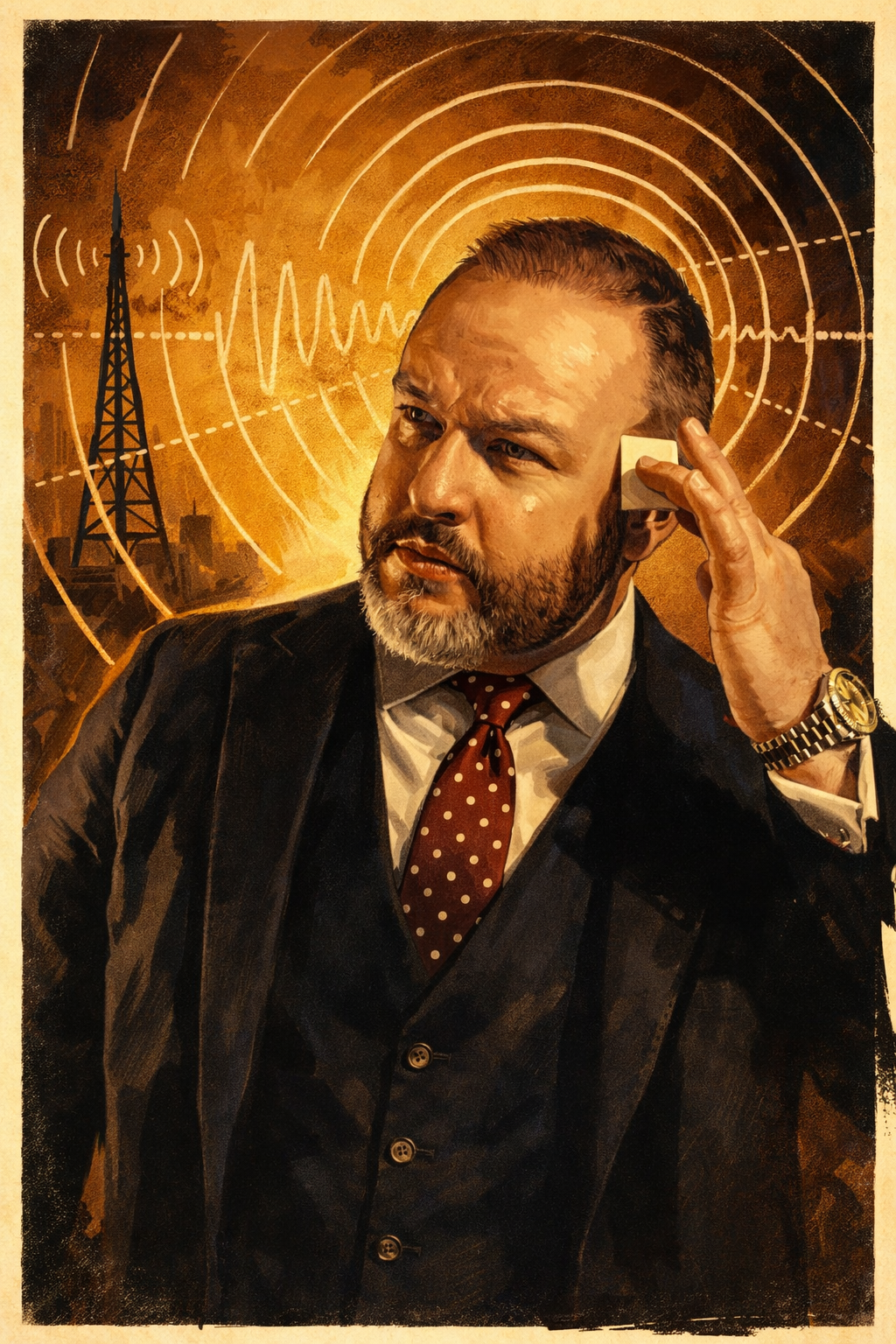
Signal vs. Noise
Communicating Clearly When Stakes Are High
In complex environments, intelligent teams still miscommunicate. This keynote uses illusion and behavioral insight to show how urgency, complexity, and group dynamics distort meaning—and how leaders can cut through noise, align understanding, and communicate with precision under pressure.
Best for: Executive offsites · Strategy meetings · Innovation events
Format: 45–60 minutes · In-person or virtual
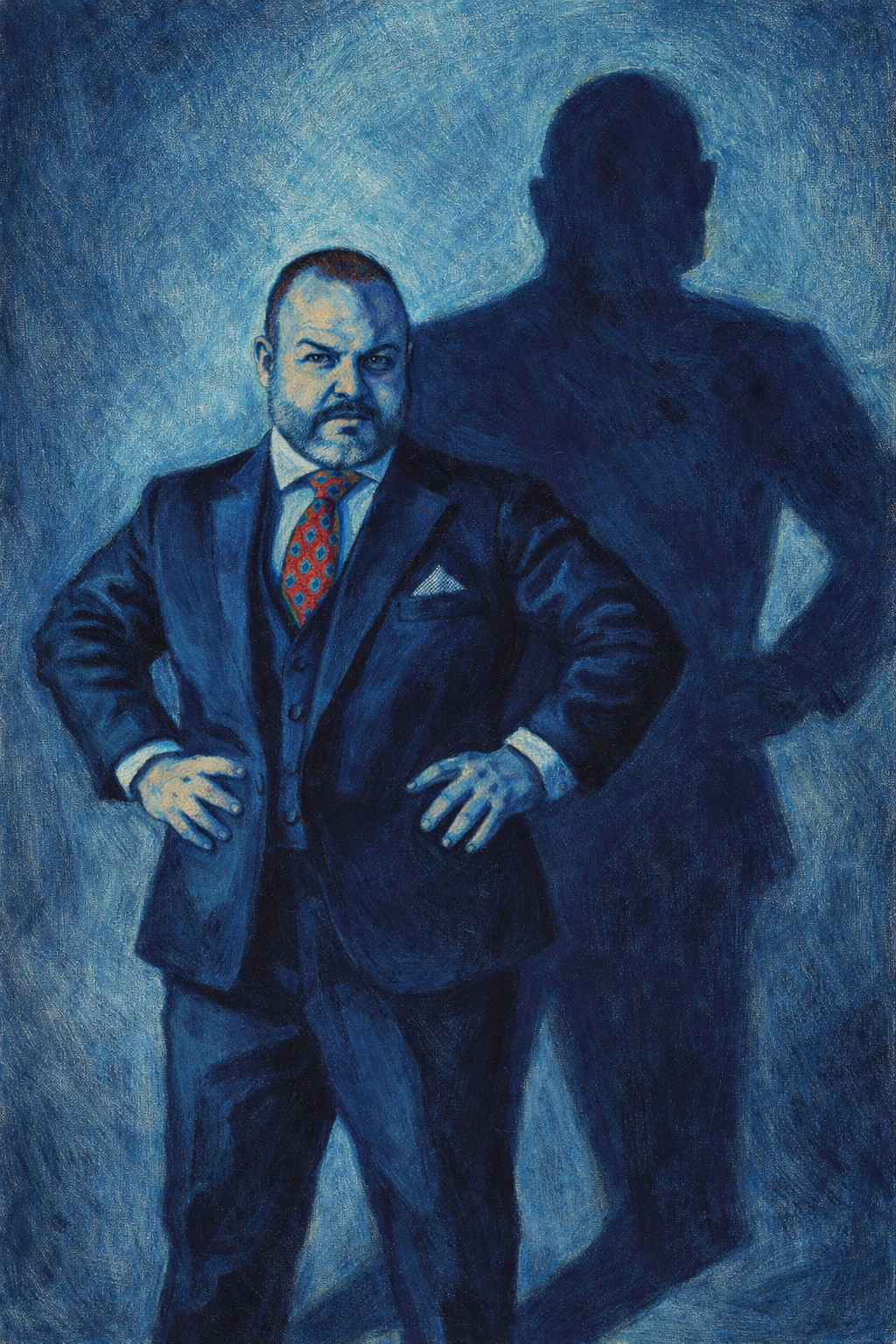
The Confidence Illusion
Why Smart People Misread Themselves—and Each Other
Confidence is often mistaken for clarity. In this keynote, Nicholas Gentry demonstrates how perception shapes trust, credibility, and judgment—and how recalibrating attention leads to better decisions, stronger leadership presence, and healthier team dynamics.
Best for: Management training · Talent development · Culture initiatives
Format: 45–60 minutes · In-person or virtual
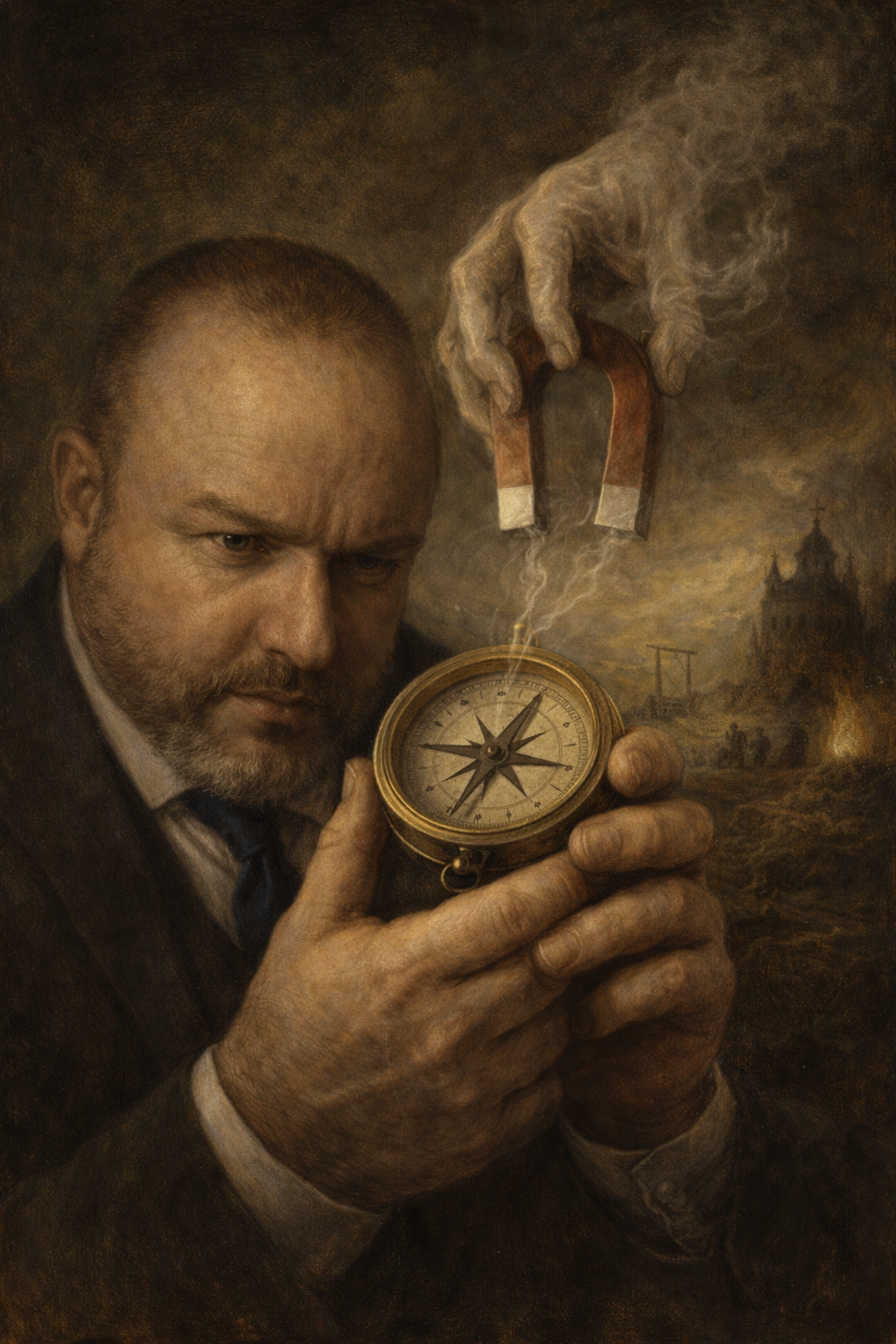
The Invisible Decision
How People Actually Decide Under Pressure
Most decisions aren’t made the way we think they are. Using live mentalism as a demonstration tool, this keynote reveals how assumptions quietly steer judgment—and how leaders can improve decision quality by understanding where attention goes before logic ever enters the room.
Best for: Leadership conferences · Risk-aware organizations · Senior teams
Format: 45–60 minutes · In-person or virtual
All programs feature:
Respectful, voluntary audience interaction
Mentalism and illusion used as demonstration—not spectacle
Customization to industry, audience size, and event goals
Content designed for intelligent, skeptical audiences
What else fits on the program
A keynote is rarely the only thing on a conference program. The same person who opens your general session can work the trade show booth the next morning, take the evening reception after the awards are handed out, and put a band on the stage during the cocktail hour that reads the room and then reads its mind. For the leadership day running alongside the main event, there are team sessions built around how people actually decide things. And for the executive who wants an hour alone with the method, there is one-on-one cognitive analysis. One person to book. One person to coordinate. The whole picture, including the formats and the rooms this has already happened in, is on the page about hiring a corporate mentalist.
