
How trade show booths waste leads, and what it costs. Gentry, The Intellectual’s Illusionist, on why the aisle walks past a booth that cost six figures.
Trade Show Mentalist and Magician Who Brings the Floor to Your Booth
You have already spent the money.
Add it up. Floor space. Booth design and construction. Shipping it there and shipping it home. Flights, hotels, per diems, and the salary of every person standing in it for three days. A serious booth at a serious show is a six-figure day, and nearly all of that money is spent before a single attendee walks past.
Against a number like that, the question is not what Gentry costs. It is not even whether anyone stops at your booth. It’s whether enough of the right people take an interest in your company to justify the sunk costs you’ve already incurred just to be at the trade show in the first place. The risk worth worrying about was never a fee. The risk worth worrying about is a three hundred thousand dollar booth that produced nothing, because the plan for getting attention was a candy bowl and a prize wheel.
Someone will suggest branded socks or fridge magnets. Think about what that says to a person you are asking for a million dollar contract: we considered you carefully — your deepest wants, your most urgent needs — and what we arrived at was socks and fridge magnets. The magnet goes in a hotel bin. The socks reach a landfill eventually, along with metric tons of the identical idea from every other stand.
Everybody involved already knows this. It is the rare marketing decision where the buyer and the seller both understand that nothing is happening.
Meanwhile the aisle is full of people who have been pitched since breakfast and have learned to walk at a speed that makes eye contact impossible. Your badge scanner catches the ones who were already coming to see you. Everyone else is heading for the coffee.
What actually happens
Most booth entertainment stands in the booth and waits. Gentry goes and gets people.
He works the floor, at any reasonable walking distance from your stand, which means your booth does not need to be anywhere in sight for him to bring someone to it. That is the part almost nobody else does, and it is where the leverage is. A performer inside your booth can only convert the people already walking past your booth. A performer on the floor converts the aisles you did not pay for.
He stops people who had no intention of stopping, holds them long enough for curiosity to turn into a question, and walks them back to your team while they are still interested. Nothing is sold in the aisle. What happens out there is a conversation and an introduction. Your people handle the product. He handles getting them there.
And when the show calls for a draw at the booth itself, with a microphone and a crowd, he does that too. The point is not a fixed routine. The point is whatever makes the floor space pay, inside whatever you and the organizers allow.
Standing behind a table hoping somebody lackadaisically takes a magnet or a sock is passive. A barker with a microphone can be the opposite problem in the wrong hands. But what Gentry does is wide, close up, and quiet: a great deal of attention captured without ever appearing to ask for it.
A new lead every three to five minutes, in a far corner of the hall
That is Port AI’s Director of Marketing, describing an AWS event with more than sixty thousand attendees and a booth nowhere near the traffic. The rest of it is below, in their own words.
“Our booth was tucked into a far corner of an AWS event with more than 60,000 attendees, and our goal was simple: bring qualified prospects to us. That’s why we hired Gentry, and he delivered immediately. He didn’t just drive traffic; he attracted the right people, consistently and without disruption. Every three to five minutes, for hours, Gentry brought a new, engaged lead to our booth, already curious, energized, and ready to talk. Attendees repeatedly told us, ‘That was the best thing at the entire event,’ and more than one person said, ‘I don’t know what you’re paying him, but he’s worth every penny.’”
Edan Tal — Director of Marketing, Port AI
“Gentry brought so many hot leads to our trade show booth that we actually had a backlog of people waiting to speak with our team. His ability to stop traffic, spark curiosity, and turn brief interactions into meaningful conversations was immediately obvious. Attendees weren’t just entertained, they were genuinely engaged and interested in what we were offering. Our sales team appreciated that conversations were already warm and relevant by the time they stepped in. The booth felt alive all day, and from a business standpoint, the quality of leads exceeded expectations.”
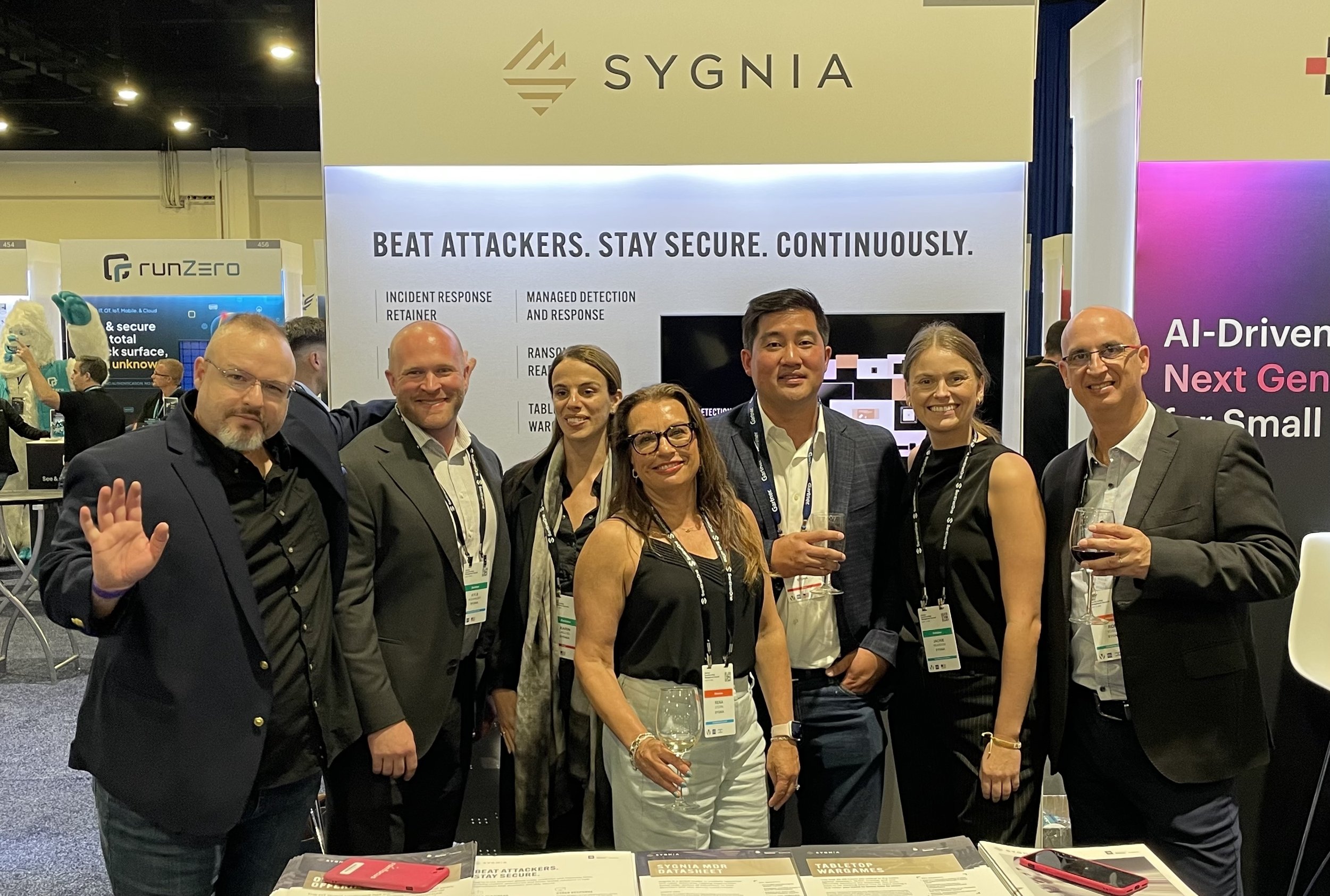
Jackie Reardon — Head of Marketing, Sygnia Cybersecurity
“Gentry was fantastic at our trade show booth. He didn’t feel salesy or gimmicky, just personable, intelligent, and genuinely engaging. He drew people in naturally and created conversations that felt relaxed and authentic rather than forced. Attendees stayed longer, asked better questions, and were clearly interested in both the experience and our product. Multiple vendors and visitors told us he was a great find and asked how we discovered him. Several even mentioned they came back the second day specifically looking for him.”
Athena Ascione — Senior Events and Marketing Leader, Lightyear Telecom
“I was especially happy to see him actively generating hot leads for my clients at a Gartner conference as well as at re:Invent. He is easy to work with, comes prepared, and knows exactly how to attract people and keep them engaged.”
Michael Yoder — Funny Business Entertainment Agency
How do you attract people to a trade show booth?
Two of the three things below are what everyone else on the floor is already doing. The last one is guaranteed to stand out.
Swag. Someone will suggest branded socks. Think about what that says to a person you are asking for a million dollar contract: we considered you carefully, and what we arrived at was a fridge magnet. The magnet goes in a hotel bin. The socks reach a landfill eventually, along with tons of the identical idea from every other stand. Everybody involved already knows this. It is the rare marketing decision where the buyer and the seller both understand that nothing is happening.
Games. A prize wheel or a putting green buys ninety seconds from somebody who wanted the prize. Every floor has several. Yours will work about as well as the rest of them.
Somebody they cannot explain. Plenty of booths hire entertainers. A few hire magicians. Almost nobody hires a mentalist, which on most floors means you would be the only one. Someone who stops for a thing they cannot account for has, in that moment, shown you they are curious, and curiosity is the raw material of every sales conversation worth having. It cannot be bought with a tote bag.
What can honestly be promised
Nobody can guarantee a return on a trade show booth, here or anywhere else. Too many of the variables belong to your product, your market, the people you brought with you, and the variability of people and circumstances.
What can be said is narrower and more useful. If a mind reader with a background teaching at Carnegie Mellon and years of performing all around the world cannot make your booth earn its keep, nothing else available will.
Where this works
Recent floors include Black Hat USA, the Gartner Security & Risk Summit, AWS re:Invent and ONUG, for clients including Akamai, Sygnia, Port AI, Lightyear Telecom, and many others.
Technology and cybersecurity shows are home ground, and the method travels to any floor. It does not need a busy aisle. Waiting for the aisle is the thing it was built to replace.
How it’s booked
Half day, full day, or multiple days
Small footprint, and no significant technical requirements
Any size booth, any location
Messaging built around your product and your qualifying questions
Your team handles lead capture. Gentry handles getting them there.
One price. No travel or accommodation added.
Whatever the show costs you, this line of it does not move.
Trade show questions, answered
What does a mentalist do at a trade show booth?
He stops people who had no intention of stopping, holds them long enough for curiosity to turn into a question, and walks them to your team while they are still interested. Then he goes back out for the next one.
Do you work inside the booth or out on the floor?
Both, and the floor is where the leverage is. Gentry works at any reasonable walking distance from your stand, so your booth does not have to be in sight for him to bring someone to it. When a show calls for a crowd at the booth itself, with a microphone, he does that too. His floor work is built to fit show rules: conversation and introductions in the aisle, pitching at your booth by your team. If your show manager wants it run a particular way, that is how it runs.
Will this work for a small booth?
Any size booth, any location. A small footprint is an argument for this rather than against it, because the whole method exists to reach people who were never going to walk past you in the first place.
Can you work our product message into it?
It is built in rather than bolted on. The material is shaped around your product and around the questions you want answered before your team spends real time on someone.
What do you need from us on site?
Very little. A small footprint and no significant technical requirements are typical. Your team handles lead capture. Gentry handles getting them there. The biggest problem Gentry faces on most days is bringing more leads back than the booth staff can accommodate. At times, he has to pace himself to avoid creating a cue.
How far in advance should we book?
There is no minimum lead time. If your show is on the calendar, ask about the date.
Watch it happen
See the videos anywhere on this page.
What happens after the floor closes
The booth closes at five. The evening does not. The same person drawing the crowd at your booth can take the hospitality suite at seven, and the band playing the reception before it will hand the microphone to your customers and then tell them what they were thinking. If the show is attached to a conference, the general-session keynote is the same voice your prospects already heard on the floor, which is worth more than either booking alone. The internal day that follows gets team sessions, and the executives who ask how any of it works get cognitive analysis. If you want the formats, the rooms and the process in one place, start with hiring a mentalist and magician for corporate events.
