
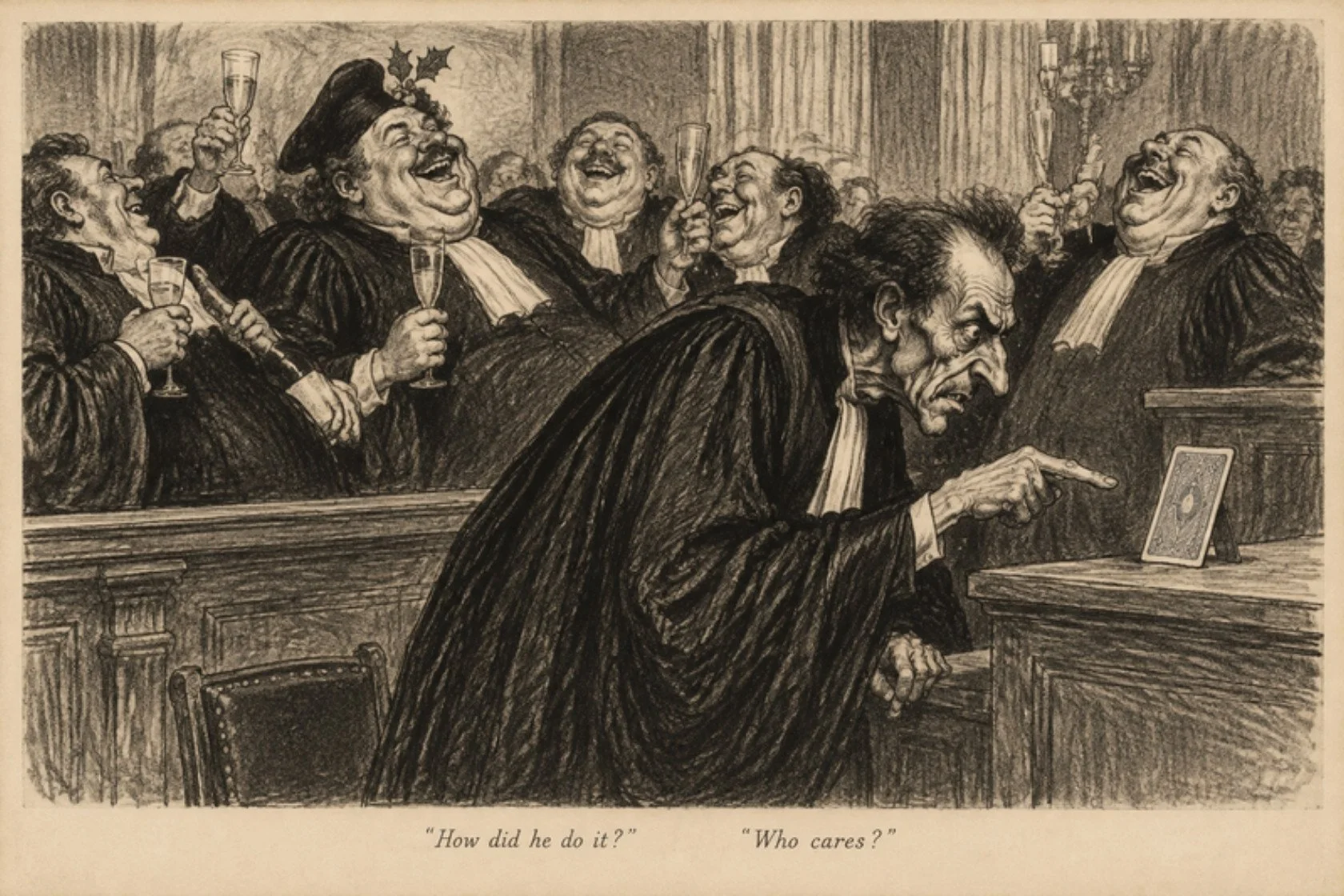
What a Room Full of Lawyers Actually Wants From a Holiday Party
Lawyers spend all year looking for the flaw. Their holiday party shouldn’t hand them one more thing to figure out.

Should I Stay or Leave? How to Think When Either Choice Has a Cost
Some questions arrive all at once. This one tends to arrive slowly. A job that used to fit. A relationship that has gone quiet in a way you cannot quite name. A city you moved to for a reason that no longer applies. A business partnership that works on paper and wears you out in person. Then one day you notice you have been asking yourself the same question for months: should I stay, or should I leave?
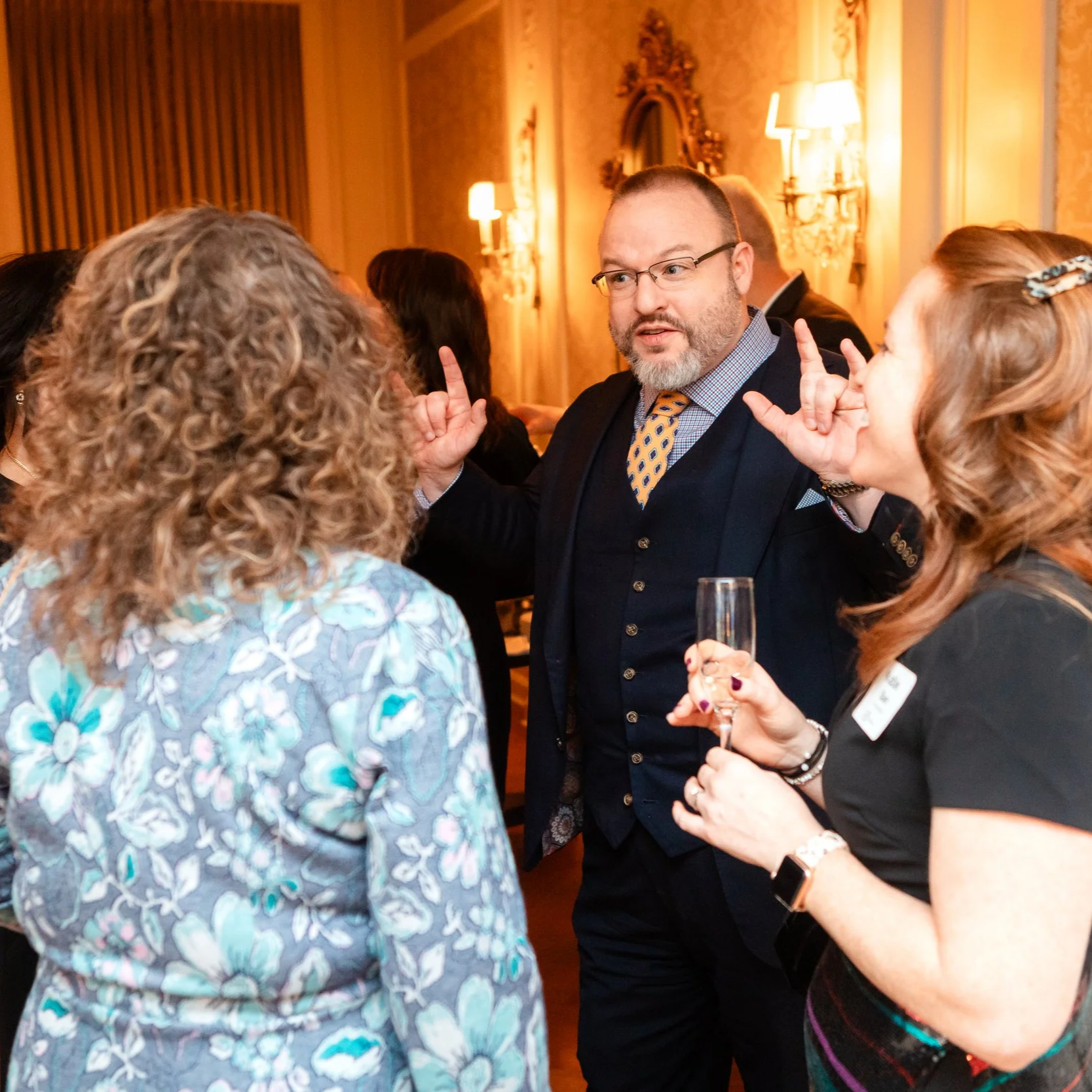
Girls’ Night Out in Philadelphia: Things to Do Besides Another Dinner
The group chat is lively again. Someone wants to get out, someone else says "anything but the usual," and within ten minutes the plan has drifted back to the same restaurant you went to last time. Dinner is great. Dinner with a second act is better.

Socrates Had a Point: You’re Better Off Assuming You’re Stupid
“Must be magnets” is a convenient way to stop thinking. Socrates had a better idea: examine what you think you know. In my interactive keynotes, magic and mentalism make that habit available for inspection. If you’re hiring a leadership speaker, ask what your people will become better equipped to do. My answer: recognize when a guess has hardened into a conclusion—and reopen the question.

How Much Does a Mentalist Cost? (Or Why I am Not a Can of Beans)
Why don’t I have a simple price list? Because I’m not a Chinese restaurant, and corporate entertainment isn’t baked beans. The same 90 minutes can be a backyard party, a trade show, or a Fortune 500 all-hands — and those are not the same job. Here’s why professional entertainers quote engagements, not cans off a shelf.

You’re Hosting a Serious Event for Serious People. Don’t Embarrass Yourself.
Not every room wants to be “activated.”
Executive events are not summer camp. They don’t need chants, mandatory movement, or surprise “energy” segments to stay engaged. They need judgment, restraint, and respect for adult autonomy.
When camp-counselor vibes are misapplied to executive, academic, or investor-facing settings, the result isn’t “joy;” it’s quiet disengagement. People comply. They smile. And they privately wonder why you’re insulting their intelligence.
Serious rooms don’t need hype. They need calibration.

Fallen Angels or Smart Apes? A Manifesto on Success Without Pandering
Events fail when they talk down to the audience, either through empty spectacle or forgettable “safe” programming. Great events take a different approach: they respect intelligence, avoid gimmicks, and engage people by giving them something meaningful to think about.

Intelligent People Are Easier to Fool Than They Think
Intelligent People Are Easier to Fool Than They Think
Intelligent people aren’t misled because they lack intelligence. They’re misled because their attention is pointed in the wrong place. Under pressure, capable professionals often rush to analyze, optimize, or reverse-engineer details before asking what the situation is actually about.
In my work, live illusion isn’t a puzzle to solve but a demonstration of this blind spot: how easily smart people mistake mechanism for meaning, and how much clearer judgment becomes when attention is redirected toward purpose rather than process.

How to Hire Event Entertainment Without Insulting Your Audience (or Your Brand)
Smart hosts and leaders don’t fail because they lack intelligence or effort. They fail because attention gets pulled toward mechanics, logistics, and fine print—while the real point quietly goes unexamined. This essay is about how to design events, experiences, and decisions by starting with meaning first… and letting everything else serve it.